I’ve been musing about this for a little while, trying to figure out how I feel. Perhaps I’d benefit from some insight.
Recently, I’ve been seeing posts calling the gym inherently “fatphobic”, or endorsing a hatred of or disdain for overweight people. Basically, going to the gym means that you are participating in fatphobia and not body positivity.
So I have some feelings on body positivity that are likely better left for a different post, but I’m not sure how to feel about this general idea of gymgoers (or the gym in general) being fatphobic in nature.
I’ve been overweight. I’ve never been what some people would classify as “fat”, but I have been what cruel teenagers would classify as fat. I’ve suffered through an eating disorder and still battle my restrictive habits now. I’m adamantly against “diet culture” as a thing, and recognize the harm that it can do, and I’m also opposed to predatory weight loss MLMS disguised as exercise programs.
Also, my current goal (though not my only goal) at the gym is to lose a few pounds after a winter of bulking.
But
Does this make the gym (or gymgoers) fatphobic? I don’t think so.
All gyms are different. I go to Planet Fitness because I’m, erhem, financially challenged, but I know there are a variety of gyms out there with all different styles and attitudes of doing things.
At mine, there are so many bodies, all doing different things. Some people are just there to quietly do stretches and yoga in the corner. Some (like me) are there to weight lift (and weight lifters come in all different shapes and sizes–muscles take up space, and some of the serious ones are not interested in aesthetics).
I’ve been to powerlifting gyms and yoga studios with all different clientele, I’ve seen so many people there just trying to move their bodies in a world where we’re so often sedentary.
The gym (or exercise in general) isn’t just good for losing weight. Some people just want to get stronger, to move heavy objects, defend themselves, or play with their children. Some people want to be more flexible, or improve their cardiovascular health. Some people (like myself) know that there’s a huge mental health benefit to exercise.
Aesthetic goals are not the only goals that matter. But perhaps our fixation on those aesthetic goals is what starts to push people away and gain those toxic mentalities–that the gym is fatphobic.
It’s easy to be scared away from the gym. It’s easy to feel intimidated by grunting men with big weights, or slim women with six-pack abs running 9mph on the treadmill without breaking a sweat. Seeing these things can be stressful to someone who doesn’t see their own form displayed in fitness advertising.
If fitness isn’t advertised for “fat” people except to change them, why shouldn’t they think it’s fatphobic?
I know there are some brands looking to change that. There are brands actively using models in different sizes showing their activewear. There are fitness classes created especially to be comfortable for “fat” women.
Perhaps these are steps towards a solution. Allowing the gym to be a comfortable space for all people to improve their minds and bodies (in whatever way they see fit) so that no one feels left out or unwelcome.
What are your thoughts? Is the gym fatphobic? What about the fitness industry in general? That one, I could make an argument for.
Let’s Talk About Motivation and Goals

Ugh
When I first got my “ideal body” I wanted to just wash my hands of the whole fitness thing. Great, I’m hot! No more! We’re all done here! Back to sitting on my couch indefinitely eating bags of potato chips for every meal (I still do that, but I digress). Building habits is hard, maintaining them isn’t as easy as we’re led to believe.
There are a lot of different “stats” out there that claim different amounts of time required to turn something into a habit. Honestly, I think they’re all crap hypothesized by well-intentioned people and then reposted for views by “motivational” instagram accounts. We’re all different, and habits are as easy to break as they are to make.
Establishing a routine requires motivation and discipline. I struggle with discipline, I always have. I’m a serial procrastinator who does best under a time crunch, so I’ve learned to be very relaxed until it’s time to panic. Motivation is different, I’ve got that for days–but it’s hard to do anything about it with no discipline! See the problem?
So how do you adjust your fitness plans when you’re struggling?
1. Establish Goals
This might seem obvious, right? But what exactly are your goals? Are your goals just “get hot”? “get more fit”? These things are vague, and hard to measure. It’s also best to avoid aesthetic goals if you’re someone who (like me) really struggles with body image. The body you want will never be in grasp because it will always be changing. You’ll hit a point that the old you will have thought looked amazing, but the new you hardly sees a change. Not ideal.
No, tangible goals should have numbers, or goal posts. I want to deadlift 200 lbs. I want to jog two miles without stopping. I want to do ten pull-ups. These are things that you can measure, and that are disconnected from aesthetics.
This month I have a goal for myself: I want to go to the gym every day (and add cardio to my workout every day, even if it’s only five minutes). This has been a bit of a doozy for me. I’m generally a four or five day per week gym-goer and I do dedicated cardio once per week. Switching it up so my schedule now includes 7x (well, probably not exactly but this isn’t the time for math) the amount of normal cardio and two extra days of exercise in general has been overwhelming and sent my body into overdrive. I’m constantly hungry and tired–but I also feel amazing.
This goal has been measurable, achievable, and because it’s short term, I feel like I can maintain it and find something new for March. I’m excited to see if there are any physical changes after the month is over, but physical changes aren’t what I’m here for.
2. Reward Yourself
I like to use what I call “the toddler system” when I’m feeling unmotivated. I will reward myself with some kind of treat if I do the thing that I’m supposed to do. This might seem childish (literally) or counterproductive, but I found it immensely helpful during my graduate program, and I feel confident in its ability to help out.
Do you want a new book? Tattoo? Game? Snack? Set a goalpost and meet it, and then you get your reward. Now as an adult, it takes that pesky discipline to not just…get the thing when you want it. But if you establish a reward system for yourself, you’ll have the motivation to meet the next goalpost.
3. Find Accountability Buddies
Does anyone else hate the word “buddies” ? No? Just me? I couldn’t figure out how else to word this.
I’ve always been a lone wolf kind of character. I don’t want help, I can keep myself accountable on my own or I’m not going to do it (at least in the fitness area–I’ve recently joined a writing group for just this reason!). A friend of mine, though, has been using me for accountability. They’ve been trying to get to the gym a few days per week, and I keep them updated (mostly just for show) when I go daily. This kind of “working together” is working for them, and they get really proud when they have something new to report.
Sometimes the added pressure of another person is all you need to really get the fire lit underneath you. It’s like having an assignment due. You wouldn’t write that blogpost for yourself, but when it’s for someone else? You’re probably going to do it.
So how do we feel? What kind of goals do you have? Talk to me. What kind of motivation tactics do you use?
Best Online Exercise Resources for Beginners

Three of the best content creators online for people starting their fitness journey
When I first started working out, I had no idea what I was doing.
Run a mile? Do some push-ups? Is any of this helping? How long before I have abs? Where is my butt going? How can I get it back?
I’m a relatively online-savvy millennial and it didn’t take me long to get sucked in to all of the ad content online. There are plenty of people trying to sell you things to get started. I’m sure some of these things are great…but some are scammy, overhyped, and predatory; targeting people who they knew are vulnerable and want a quick fix. I know this because I was one of those people. They use fake or heavily manipulated before-and-after pictures, they use shady techniques for marketing and social media, and they sometimes sell through pyramid schemes and other dishonest and manipulative practices.
Instead, I’ve compiled some free resources for you. They all include videos, some of them are “gymfluencers” who seem very honest and forthcoming in their workouts, and all of them have helped me in my journey at one point or another. Pick one or all of them to help you out.
Fitness Blender
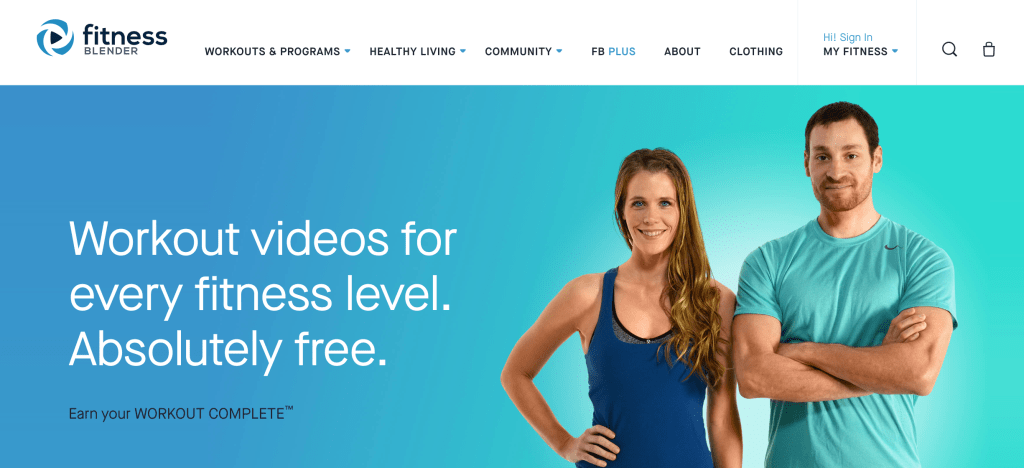
I love these guys over at fitnessblender.com. I was skeptical at first; their older videos have a bit of a “pacer test” quality to them with a male voiceover and a woman doing the exercises on screen, but once they switched to a more chatty format, I was sold. They are the gold standard for free home workout videos (and if you feel like giving them some money, they have paid workout plans as well).
This husband and wife team uploads to Youtube, but doesn’t fit the “gymfluencer” brand. They feel authentic, and like they actually know what they’re doing. They seem honest with their community and try to encourage healthy weight loss, gain, or maintenance, never offering a quick fix.
They also offer everything. They have some meals up on their blog, but as far as exercise goes, they are nearly unlimited for the home exerciser. Do you need:
- Workouts with no equipment?
- Workouts with dumbbells only?
- HIIT workouts?
- Apartment friendly/quiet workouts?
- Low impact exercises?
- Pilates?
- Barre?
- Yoga?
- Feel-good cardio?
You get the picture. They have everything. They got me through my first few months of weights (before I was ready to move onto the big weights at the gym) and I really enjoy their style. My favorite workouts are the ones that combine cardio and fun weight movements, and I still do some of their ab workouts today. They’re killer.
All of their video content is available to you for free, but if you’re the kind of person that needs help putting together a routine, they have those available for a low cost. This is a great way to get started if you’re new to exercise and a bit confused. Either Kelli or Daniel will do the routine on video in real time, so you see the whole thing in the time that you’re supposed to be doing it. You also see them getting tired, sometimes messing up, and trying to recover alongside you in the cool down included with many of the videos. To me, this was so helpful as a beginner, knowing that people are supposed to get tired, just like I was.
I put them first because they are my favorite for beginners. I don’t use them too often anymore, but I will recommend them as long as they have a website.
Yoga With Adriene
So listen. Yoga and I? We’re not friends.
This isn’t to say we can’t be friends, and we don’t meet up from time to time for a chat, but overall I’m a high impact exercise kind of gal and anything that gives me time to be alone with my thoughts is a swift “no thanks!”.
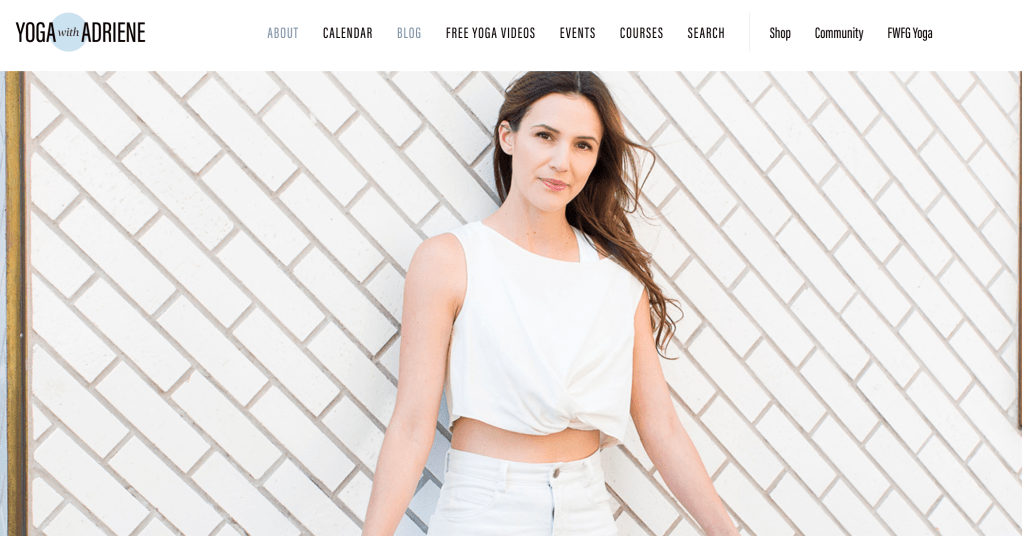
That said, I discovered Yoga With Adriene after a few friends mentioned her, and when I was having a particularly hard time with my flexibility, my core, and my mental wellbeing, I found her super helpful.
I sometimes turn up my nose at the yoga community on YouTube. It feels a little…appropriative, if you will, and sometimes the videos don’t seem like they’re trying to actually guide. This isn’t true with Adriene. She encourages her viewers to take it easy and go at their own pace. The girl is genuinely relaxing and feels, again, authentic.
She has courses that you can pay for, naturally, but she also has guides available for free, including a 30-day yoga journey, and specific dedicated playlists for body parts or problems that one could be facing. I found a great one for my lower back that helped a lot when I had a deadlifting pull and I had to take a few days off of the gym.
Her blog is also refreshing, and she offers calendars for people looking to work through their yoga journey with her. Again, if you’re someone who needs a routine but has no idea where to start, a pre-made calendar might be exactly what you need.
I won’t sing her praises from the rooftops to anyone who will listen like I will with FB, but yoga just isn’t my thing. I recognize that she’s great at what she does, and if she can get me to sit through a 45 minute yoga video, she must be wonderful.
Natacha Oceane
So this one might be controversial, but hear me out.
I know her workout plans are a bit spendy for beginners. That’s not why we’re here.
We’re here for the free workouts she has on YouTube and Instagram.
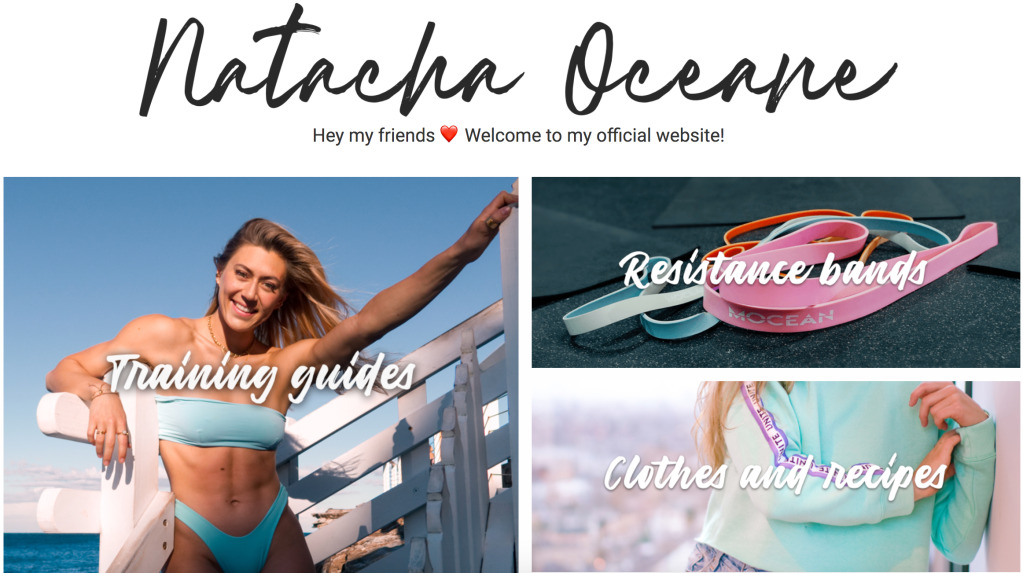
This isn’t to say that her plans aren’t worth it. The girl is a powerhouse and I 100% believe that if any gymfluencer has anything to say about exercise, she’s going to be the one I trust. But, beginners might not be ready to start dropping money on plans yet. That’s okay!
Natacha is educated, research-minded, and incredibly strong. You cans see her progression over the years from a relatively fit, though skinny, girl, to an absolute tank. I’d kill for her abs. While a lot of the other influencers have gone back to easy at home workouts, or HIIT, Natacha always ups her game.
That said, you don’t have to be built like her to get started with her. Her workouts start years ago, and many of them are incredibly accessible to anyone with a gym. She also has at-home workouts. While I’d take it easy to start with (maybe don’t go for heavy squats on the barbell on day one), watching Natacha over the past few years has definitely gotten me some of the strength I have today.
While it’s easy to look at her and think that her workouts are solely for women, she keeps up with the men easily and her routines will challenge anyone. She focuses on strength and functionality, with the idea that she wants to be able to do all of the cool and fun things that being a bit stronger and faster will allow.
She has food content and more information-based content, all heavily researched and grounded in science. She knows her stuff. I want to look like her, so I do what she does. I highly suggest checking her out, and if you ever decide to spend some money, consider her guides.
***
There is so much content online that it can be overwhelming trying to find the right thing. We’re always being marketed or sold to. These people, to me, come off as authentic, educated, and genuine while showing off their skills. I’ve used all of them in my journey, and their free resources are amazing.
You don’t need a gym membership to get started. Sometimes you just need a plan and someone to show you the ropes. These people have that covered.
Who are your favorite people online for fitness content? Natacha is amazing and I aspire to her level of fitness and confidence, but I follow a handful of other “gymfluencers” as well. Any thoughts?
“But I Hate Exercise”
Does anyone relate to that?
Have you ever had all intentions of starting an actual, legitimate workout routine…and then stopped as soon as you started because it made you miserable?
I know I have, probably dozens of times between my teenage years and now. I was the kid in gym class that the coaches encouraged to keep score (and that’s not a joke). I walked the mile run. I could do four push-ups on a good day, and no crunches. The fitness test is a torture device for teenagers and no one will convince me otherwise.
I hated exercise. There were sporty kids who all seemed so cool and confident–and then there was me. I didn’t feel like I was good enough. I thought we all got a handful of qualities and skills, and those people got good looks, athleticism, and charisma, and I could like…kind of put a cosplay together and draw pretty well. Those things balance out, right?
As an adult, nothing much changed. When I started trying to get serious about my fitness, I did the first thing most people did–I started running.
It turns out that I hate running. Absolutely loathe it. Even now, I dread cardio and I’d rather trudge along on the stairmaster for an hour than run for five minutes. So my fitness journey would start and stop immediately.
My mom would suggest yoga (which I have now come to appreciate for rest days). At the time I hated yoga. Being alone and quiet with my thoughts for that long? No thanks! My body wasn’t strong enough for the poses that looked fun, and my yet undiagnosed ADHD didn’t respond well to the long periods of stillness. So again, I quit.
Then, I found Kayla Itsines‘ program, the Bikini Body guide.
“I would like a bikini body…” I thought to myself at the ripe old age of 19, lunging wildly around my mother’s living room.
This also didn’t work for me. But I was seeing a strong woman who was doing functional movements, and it was a step in the right direction.
Later I moved towards more online resources. I’ll make a post soon about the ones that I personally found most useful. Eventually I found myself gravitating towards weightlifting in the time just before the “strong not skinny” movement really got started. My roommate at the time had a set of dumbells and I had a spare room that was perfect for quietly embarrassing myself. This is when a routine started to develop.
It turned out that I loved weights. I loved finding myself getting stronger and stronger as time passed. I felt like I was leveling up a videogame character, and that was really exciting to me. I was getting fitter, but I was also getting stronger. If you look back to my last post, this also meant that I could eat more.
I was eating more food, gaining more muscle, and feeling like I was advancing as a person. It was fun! Exercise was fun and sometimes I even looked forward to it. But eventually I was leveling off. The weights I could keep in my spare room weren’t challenging anymore. I was again getting anxious about calories and cardio. I’d done all of the videos from the resource I had found, and I was ready to move onto something new. But what?
Heavy weights were finally my saving grace, at least for now. Lifting twice my weight is fun, and challenging, and I felt so much better after every workout.
So how do you stop hating exercise?
You have to find something that works for you. For me? That thing is weights. Sometimes I have to switch it up sometimes so I don’t get bored, so I throw in barre or pilates or aerial yoga if I’m feeling frisky (I’m taking my first “real” class in a few weeks, yikes!). If you want to keep up a routine, you can’t hate it.
People who go to the gym aren’t miserable while they’re there–at least most of them. I love my time at the gym. I might be upset when I’m on floor forty out of fifty on the stairclimber, wishing for death and sweating through my leggings, but I’m doing it because I genuinely want to. We need to find things that make our bodies feel good, even if that means the intensity is lower. We won’t maintain a routine if we’re not happy with the work that we’re doing.
So what’s your thing? Is it weightlifting? Have you tried? What about pilates, or gymnastics? Dance? If you need help finding something, Classpass is a cool app that you pay a flat fee for and you get access to classes from gyms all around your area in return. It’s a bit spendy, but if you just need to find your niche, it can be a great way to avoid memberships until you know you’re ready to lock in. I’m #notsponsored (ha) but I think it’s neat.
Anyone else get caught in the “if you don’t like running you might as well give up” trap?
What Does Positive Transformation Look Like?
It’s different for everyone
I’ve always been concerned about my weight. I was a chubby kid who used food as a comforting tool. I hated sports and exercise, and I was battling mental illness from a pretty young age. In short, I wasn’t healthy. I don’t have many pictures of myself from back then because I hated everything about it. Most people wouldn’t look at me and think “overweight”, but I was, and I didn’t feel good physically or mentally.
In rolls college and disordered eating, and suddenly I looked “normal” . I dropped about thirty pounds over the course of a season, and at just under 5’3″, that was a lot. I began tracking every calorie both eaten and expended. I would take the rice off of sushi and omit it from burrito bowls. I’d avoid bread. I didn’t eat any of the things that I enjoyed, because in my mind, they were bad foods. My head burned with the thought of them. I found myself crying in a Chipotle more than once from the anxiety of dinner. One night my roommate found me huddled on a kitchen counter, nervously rocking back and forth because I was hungry but afraid to make and eat anything–I’d gone over my “limit” for the day.
I had no muscle to speak of and I relentlessly did cardio hoping that I could see my abs one day. No one had told me that I had to build those up, or that weightlifting was actually just as good, if not better, for long term fat loss. I was miserable and no matter how thin I got, I felt enormous and self-loathing.
When I went away for graduate school, something different happened. I’d spent the summer learning about weightlifting and watching girls online join the “strong not skinny” movement, and while I’m critical of some gymfluencers and their paths now, at the time that was exactly what I needed.
I needed someone beautiful to tell me that weight doesn’t really matter that much, and that fitness and strength don’t always show up on the scale. While this is probably obvious to anyone who knows anything about fat vs muscle mass, I was a very sick girl who had my head stuck in the ground. I saw these beautiful young women with their strong, curvy bodies, and I wanted to be them (does that cause some problems later? Yes. That’s perhaps a different post though).
So, I started weightlifting. My university had a free gym with two floors of weights, and while I got laughed at by some big dudes who clearly knew what they were doing, I worked really hard and persevered. Did I perhaps not even squat the bar when I started? Maybe. Am I now legpressing nearly three hundred pounds? Also yes.
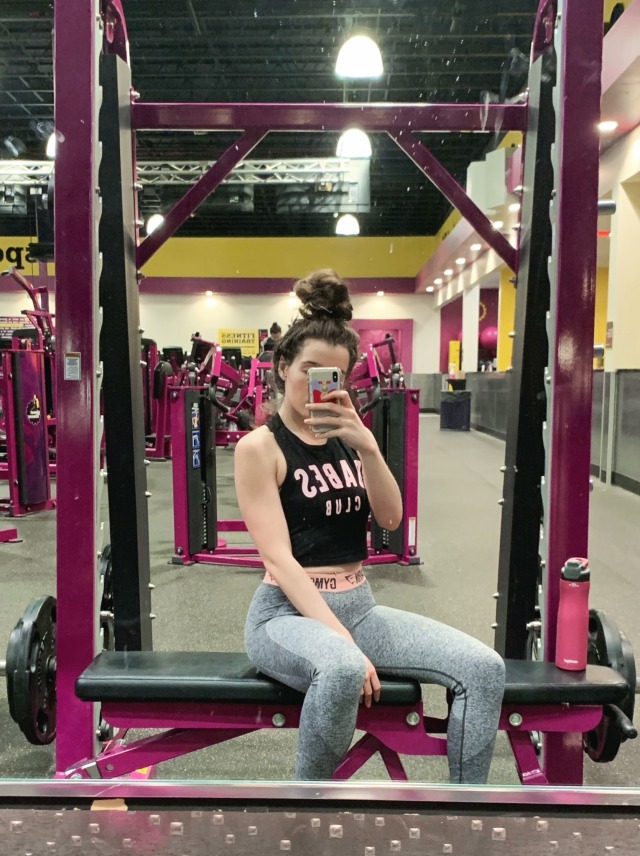
I found myself gaining so much strength and confidence, and a bit of shape. My body, while no longer waifish as I liked, was getting some definition. And more than that, I was able to eat. I’ve already mentioned on this blog: I love food. I love it. I love junk food and good food and desserts. I want everything. For my birthday this year, the only thing I wanted was a plate of vegetarian friendly nachos piled high. Heaven. When I was working out hard? I could eat, and gain muscle, and as long as I kept my nutrition somewhat in check, I felt amazing.
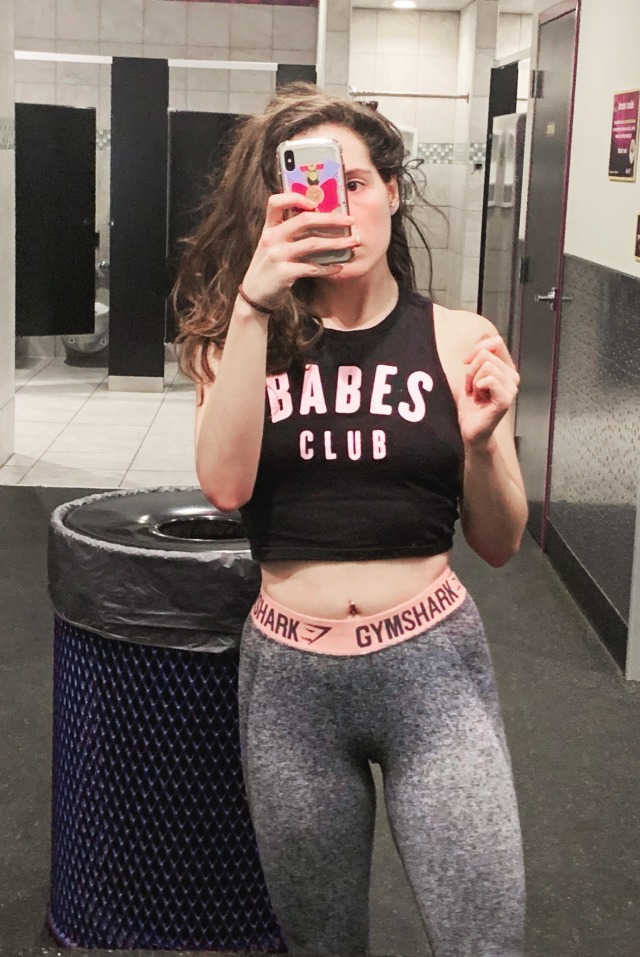
My body changes weren’t the only ones, though. My hair got thicker and healthier now that I was feeding my body correctly. My skin looks one-hundred times better than it used to. Most importantly, my mental health, while not perfect, is doing so much better.
Mental health conditions can’t be solved with exercise. I’m a fully medicated and therapy-d (therapied?) human being who struggles daily–but getting your blood flowing certainly doesn’t hurt. I’m going to do a post one of these days about the science of mental health and exercise, but today I need you to just take my word for it–I felt better on the inside, the outside, and the upside (in my dome!).
If someone had told me that I’d be happier after gaining weight a few years ago, I’d clock them and then probably go cry in a Chipotle again. I thought lifting heavy would make me bulky, or that men wouldn’t like me (they still don’t, but I doubt it’s the weights). No one could have told me that I’d be stronger, more confident, able to run a mile without stopping (I still need to work on my cardio!) and overall enthusiastic about the gym. My teenage self would think I’m so uncool. The thought of bulking 5 years ago would have thrown me into a breakdown. Now, I’m just starting to take off my “winter weight” and I feel comfortable in my body.
Can anyone else relate to any of this? I know this was kind of a stream of consciousness word-dump, but body image is hard, and I think we all need all of the encouragement we can get.
Welcome!
Hi there!
I’m running lazy girl fitness–more of a personal accountability blog, but also a place for me to share my journey with fitness as it applies to my mental and physical health and overall wellbeing.
I’m not a fitness instructor. I’m not a personal trainer, or a fit-tuber, or a gymfluencer. I’m not super ripped and I don’t run marathons (the thought of a marathon makes me want to take a nap if I’m being honest). I am, though, someone who found personal freedom through my own fitness journey, and I’d like to share it with others.
Between you and me, I don’t even have a six-pack. Or a four-pack. I have a two-pack on a good morning, first thing before my coffee or water.
I’m not going to claim to be a fitness expert (at this point, that should be obvious). But I am someone who changed her entire body several times over with exercise and a (relatively) healthy lifestyle. I went from a chubby high-schooler, to gaining a freshman fifteen…or so…. to suffering through an eating disorder, to where I am now.
I’m also not rich. I spent my first few years of my process working out at home. Now I work out at the cheapest gym in town (I’m sure you have one nearby if you’re in anything resembling an American city) and it’s not perfect, but I keep getting better (like a fine wine).
If you’re someone who struggles with the idea of getting fit, of taking the first few steps, or of continuing your gym membership now that the January New Years resolution hype has died down, consider coming along my journey with me.
It’s not always easy, but I’m a “icecream almost every day” kind of girl, and I make it work. I’m not obsessed with weight loss, or weight gain, or being the biggest, buffest girl in the gym (though it’s a nice thought), but I am interested in creating a healthy body and a healthy mindset through varying types of exercise.
My weight fluctuates. I learn new things about myself nearly weekly. I feel stronger almost every time I go to the gym (with exceptions, of course).
Come hang out with me while I write about it 🙂
Can you be fit AND love Junk Food?
Listen up.
I spent a long time hating my body. I still do sometimes, if I’m being honest with you, but it’s become a quiet voice in the back of my head rather than the loud “hey, you’re awful” that it was when I was younger. In short, I used to hate food.
Some people will read that and think “Uh, what? Food is my favorite! #foodie” and some of you are right in the exact spot that I used to be. I see and empathize with both of you.
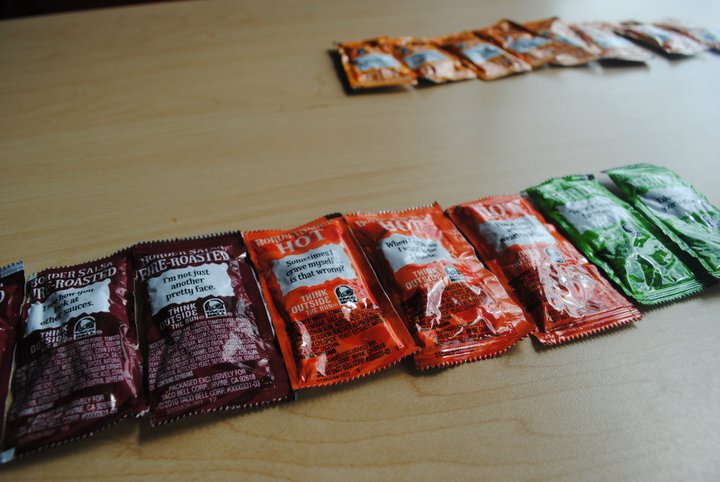
I’m not going to make any claims of loving good food. I love junk food. I thought for the longest time that junk food and fitness were not able to coexist. The girls online with their awesome looking smoothie bowls and raw fruit diets did not align with my “I really like Taco Bell nachos” lifestyle. What did align, though, was maybe…only eating Taco Bell nachos? Once per day? That makes sense, right?
If we’re looking at the standard weight change formula of “calories in vs calories out”, it made perfect sense to my sad little brain that I could eat a Nachos Bellgrande for dinner (no beef, extra beans, sub sour cream for guacamole, thank you very much!) and I’d still lose weight because that was really only around 800 calories. Maybe I’d eat some fruit for a snack earlier in the day, or a protein shake.
And honestly? I did lose weight (don’t stop here and drive to Taco Bell, this is not the diet advice of the century, y’all). I lost a lot of weight. Working ten-hour days on my feet in a photography studio, spending half of my nights out on the town, and then only eating around one thousand calories MAX per day? I was tiny. But I was also really unhealthy.
And not in a “but I look great” kind of way.
My friends all wondered about my “diet secrets”. I got a lot of positive reinforcement that I probably didn’t need at the time. It took until one friend took me aside after we got lunch together (I ate a soft pretzel and a diet soda, which was insufficient to her and anyone else) and asked if I was abusing cocaine.
Clearly she didn’t understand just how little money I made at work.
After gently convincing her that I did not, in fact, abuse cocaine, we went our separate ways and I felt…different. My thinner body didn’t feel as good. I started to get critical of myself in the mirror again, my thin arms and legs, my lack of definition. My face looking more gaunt than ever.
I decided to learn a bit about nutrition.
Now I’ll be real with you. I don’t track macros, or calories, or micronutrients. As someone who used to deal with disordered eating, that makes me crazy. I do, though, keep a vague running total in my head of “how many calories should I eat and expend for my goals. How much protein should I be aiming for. How many vegetables am I eating (and do the refried beans in nachos count?).
It turns out that if I’m not too crazy with my junkfood habit, I can still keep it around while maintaining a balanced diet. What?
Now I can’t eat garbage every day. I won’t feel good. But once or twice a week as part of a balanced and healthy (ish) lifestyle? No problem. People make different adjustments for what works for them. I see 90/10 and 80/20 a lot–meaning 90% or 80% of the time, the person aims for healthy and nutrient-dense foods, and 10% or 20% of the time they relax. As someone who doesn’t strictly track, I aim for about 70/30, and probably fall closer to 40/60 during particularly stressful weeks. It’s way better than it used to be, though, and that’s what matters. I’m not trying to be in the Olympics here.
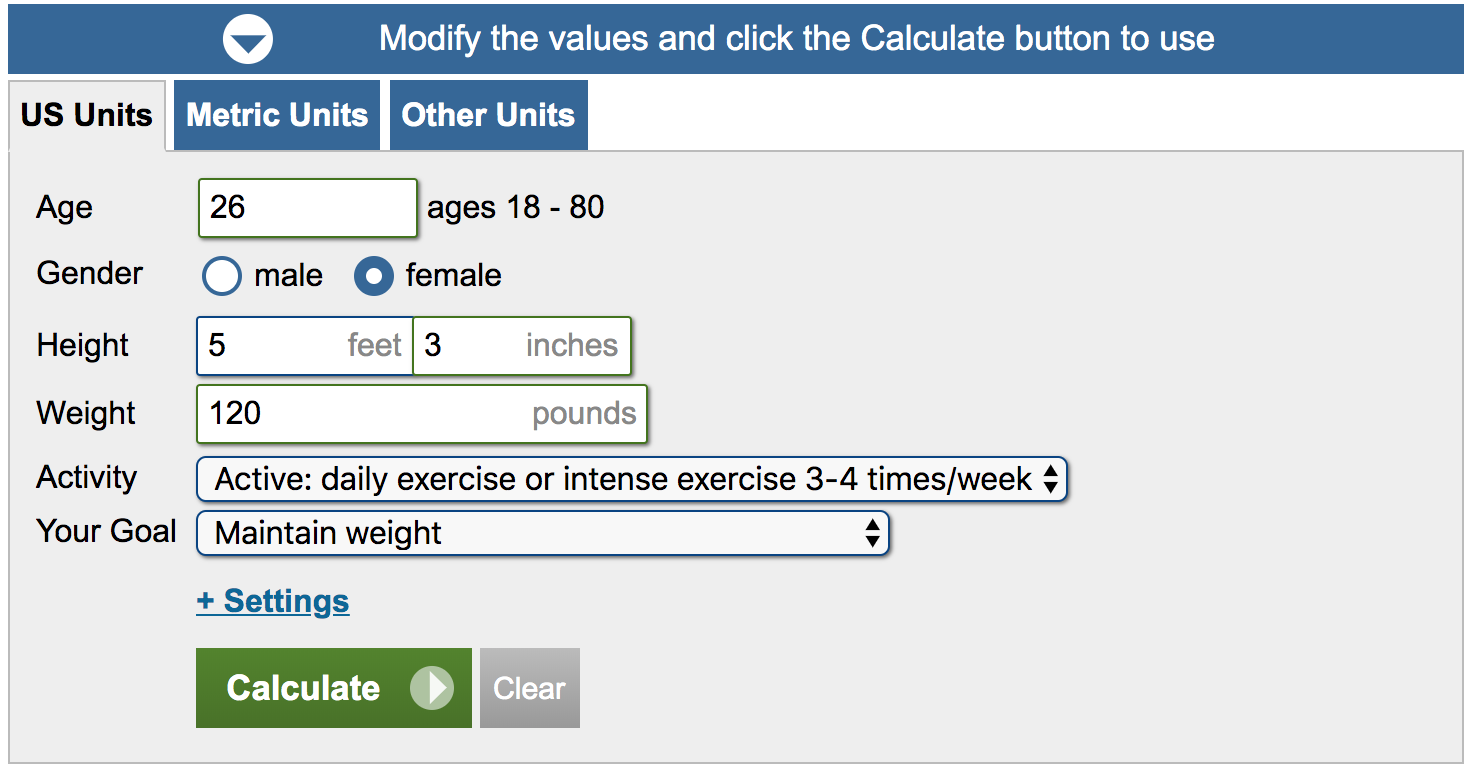
There are a lot of different calculators out there for getting an idea of your macros, even if you’re not going to track. This one is pretty simple, though I ended up disagreeing with the amount of protein it suggested to me. I’m also not super buff though, so maybe it’s time to revise my plan.
You don’t have to go on an all-out diet to meet your goals, or feel healthier. As a matter of fact, you probably shouldn’t. Diet culture can be really harmful, and the diet industry has a lot to gain from people who try and fail and try again.
I’m a vegetarian junk food queen. If you put it in front of me and cover it in salt, I’ll probably eat it. I’ve become fit and (relatively) healthy despite my habit just by slightly switching up my diet. Was it easy? Eh. Not really. Was it fun? No, not at first. But now I can eat icecream every day and takeout at least once per week and maintain my weight (within about five pounds) , my muscle mass, and my ability to do cardio (which was never great).
Can you do it too? I think so.
 Lazy Girl Fitness